
With Halloween around the corner, have you ever wondered where all those things—from a fixation with tombstones, to carving pumpkins and dressing up in scary costumes—came from?
There are many traditions across the globe at this time of year that predate our current Halloween festivities by centuries. Almost all of them are celebratory in nature and honor the harvest and/or ancestors.
One aspect of the Goddess living sisterhood is that we LOVE learning!
This week we are sharing some of the historical highlights of this holiday AND including everyone in this week’s Goddess Living membership community weekly practice.
This week’s practice is at the bottom... Will it be a trick or a treat?
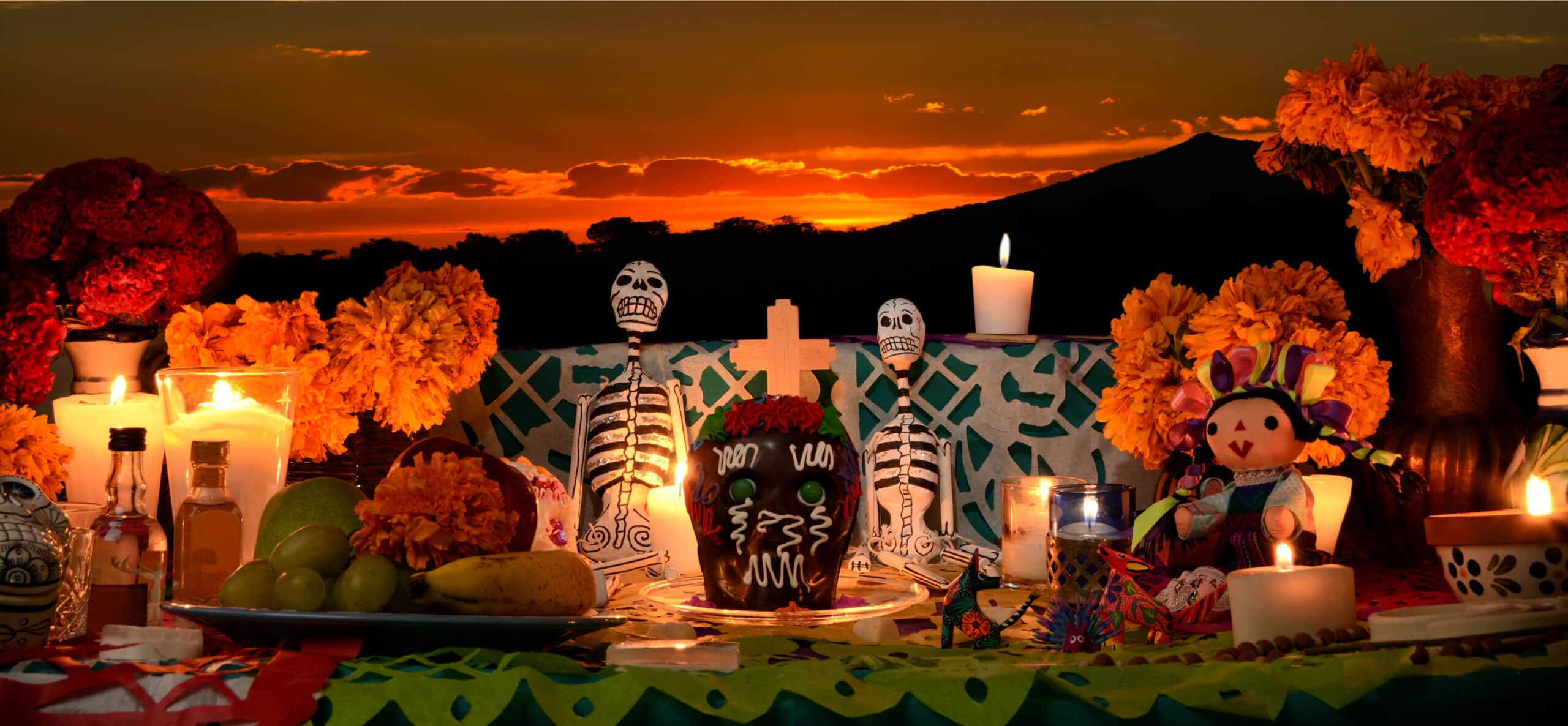
Dia De Los Muertos
(Day of the Dead - Nov. 2)
Ancient pre-Hispanic civilizations have been celebrating death and the afterlife for at least 3,000 years. The Aztec civilization began the festival that has since developed into the modern Day of the Dead.
The Spaniards tried to end the festival when they arrived in Mexico in the 16th century, however it continued to thrive. Today, the Day of the Dead combines the ancient pre-Hispanic traditions with elements of Catholicism and coincides with All Souls’ and All Saints’ Day.
Mexicans celebrate Day of the Dead with different traditions throughout the country. You’ll find more colorful festivities in the southern regions like Oaxaca. Some of the most common Día de los Muertos traditions involve sugar skulls and decorated altars called ofrendas.
Click the video below to learn more!
Samhain
(Oct. 31 - Nov. 1)
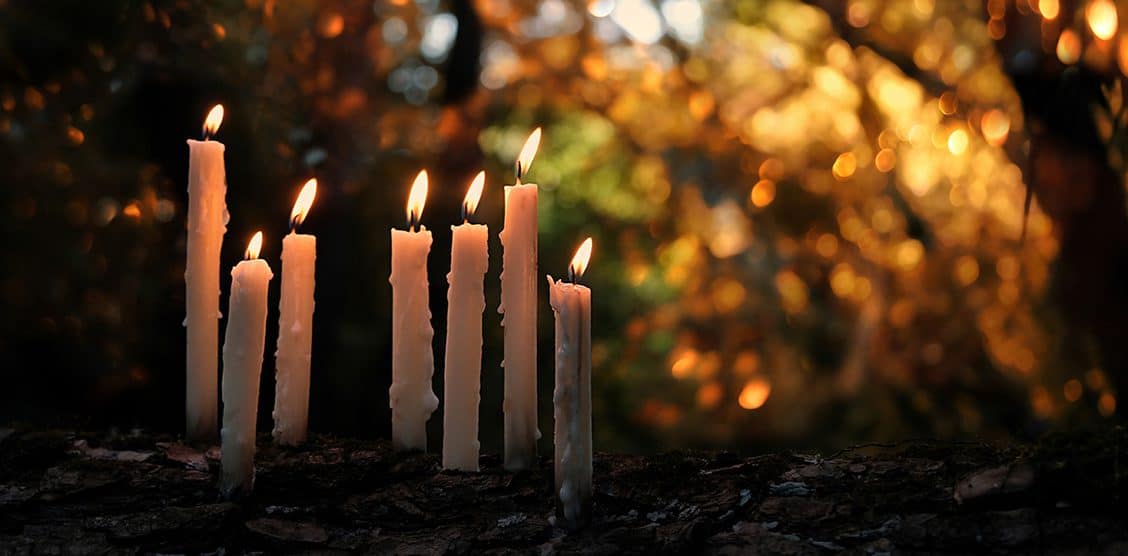
Samhain (a Gaelic word pronounced “SAH-win”) is a festival originating from an ancient Celtic spiritual tradition. It is the festival to mark the dying of the year and to welcome in the harvest as well as usher in “the dark half of the year.”
“Ancient Celts marked Samhain as the most significant of the four quarterly fire festivals, taking place at the midpoint between the fall equinox and the winter solstice. During this time of year, hearth fires in family homes were left to burn out while the harvest was gathered.”
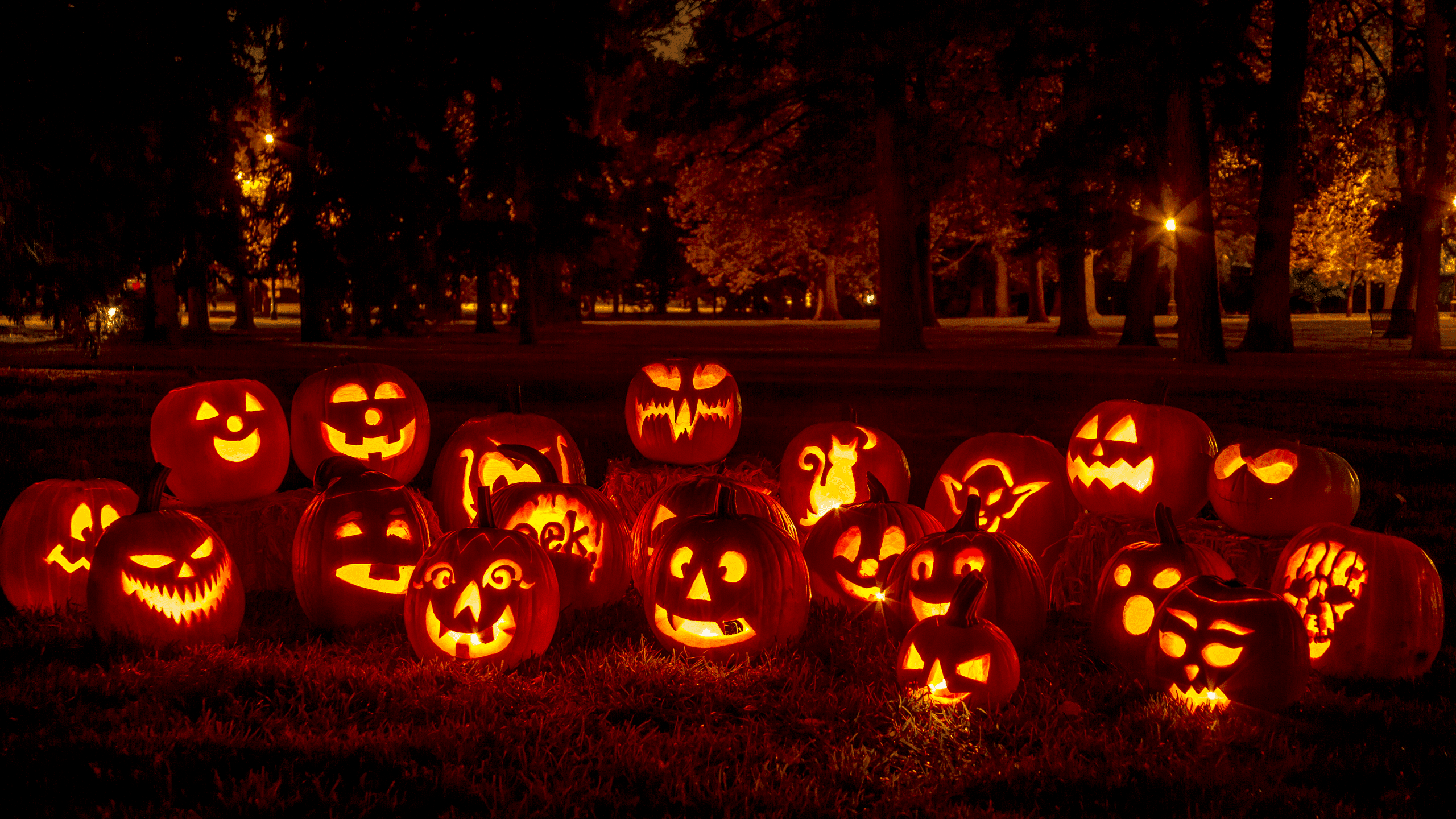
Jack of the Lantern
Legend has it that it originated from an Irish myth about a man nicknamed “Stingy Jack.” According to the story, Stingy Jack had the opportunity to meet the devil and tricked him on multiple occasions. Ultimately the Devil had to agree to not claim Jack’s soul when he died.
When Stingy Jack did die, God would not let such an unsavory person into heaven and the Devil kept his word and didn’t put him in Hell. He was sent into the dark night with only a burning coal to light his way. Jack put the coal into a carved-out turnip and has been roaming the Earth with ever since. The Irish began to refer to this ghostly figure as “Jack of the Lantern,” and then, simply “Jack O’Lantern.”
In Ireland and Scotland, people began to make their own versions of Jack’s lanterns by carving scary faces into turnips or potatoes and placing them into windows or near doors to frighten away Stingy Jack and other wandering evil spirits. In England, large beets are used. Immigrants from these countries brought the jack-o’-lantern tradition with them when they came to the United States. They soon found that pumpkins, a fruit native to America, made perfect jack-o’-lanterns.
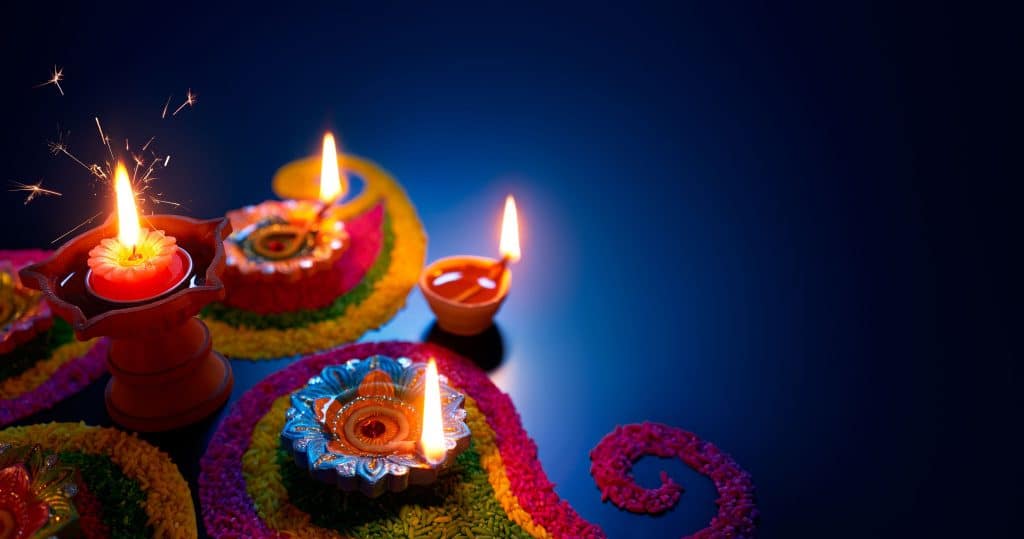
Diwali
(Mid Oct. - Mid Nov.)
Diwali is the Indian festival of lights, usually lasting five days and celebrated during the Hindu Lunisolar month Kartika (between mid-October and mid-November). One of the most popular festivals of Hinduism, Diwali symbolizes the spiritual "victory of light over darkness, good over evil, and knowledge over ignorance". The festival is widely associated with Lakshmi, goddess of prosperity, with many other regional traditions connecting the holiday to other goddesses and gods as well.
This Weeks Goddess Practice
Learn Something New
Find out the history behind some of your celebrations and what role women played in them! Only Treats 'round here!
Check out this awesome article written by Goddess Guide (historian, comedian, writer) Ellen Snortland. She wrote this snippet on the history and plight of witches for us last year. Enjoy!!
